Your car’s paint is under constant attack. UV rays, bird droppings, road grime, and harsh weather are working against it every single day. So when someone mentions ceramic coating as the ultimate solution, it’s easy to get excited. But what exactly does it do, and is the hype actually justified?
Ceramic coating has become one of the most talked-about paint protection options in the automotive world, and for good reason. It offers real, measurable benefits that traditional waxes and sealants simply cannot match. However, it also comes with limitations and misconceptions that leave many car owners feeling disappointed after spending hundreds of dollars.
In this guide, you will learn exactly what ceramic coating is, how it works, and what it genuinely protects against. More importantly, you will learn what it cannot do, because understanding both sides is critical before making a decision. By the end, you will have a clear, honest picture of whether ceramic coating is the right investment for your vehicle and your lifestyle. No hype, no fluff, just the facts you need to make a smart choice.
What Is Ceramic Coating?
At its core, ceramic coating is a professional-grade liquid polymer built primarily from silicon dioxide (SiO₂), the same compound found in quartz and glass. When a trained installer applies it to a properly prepared vehicle surface, the SiO₂ molecules do something remarkable: they form strong chemical bonds directly with the factory paint at the molecular level. This is not a simple topical product that sits on the surface and washes away over time. It is a genuine chemical integration that transforms how your vehicle’s exterior interacts with the environment around it.
A Layer Measured in Microns, Not Millimeters
Once the coating cures, it forms what scientists and detailing professionals call a nano-layer, typically between 1 and 3 microns thick. To put that in perspective, a single human hair is roughly 70 microns wide, meaning this protective barrier is completely invisible to the naked eye. Yet despite its almost undetectable thickness, this hardened, glass-like oxide layer delivers protection that far outlasts any traditional wax or sealant. The coating does not peel off or wash away because it has become a structural part of the surface itself, not simply a film resting on top of it.
The Coating Layer vs. the Clear Coat
Understanding the relationship between ceramic coating and your vehicle’s existing clear coat is essential for appreciating why this technology matters. Your factory clear coat is the transparent protective layer the manufacturer applies over the pigmented base coat, typically 35 to 50 microns thick. It shields the color beneath from UV radiation, oxidation, and minor abrasions. Ceramic coating bonds directly to this clear coat, forming an additional sacrificial oxide barrier above it. That molecular bond is what drives long-term durability; it creates an integrated protective system rather than a temporary surface treatment. The result is enhanced hydrophobic, chemical-resistant, and UV-blocking performance that the clear coat alone simply cannot provide.
Why Ceramic Coating Replaced the Wax Routine
Traditional car waxes and synthetic paint sealants served vehicle owners well for decades, but both share a critical limitation: they sit on top of the paint without meaningful chemical bonding. Waxes typically last a few weeks before UV exposure and regular washing break them down. Sealants perform somewhat better, often lasting a few months, but still require frequent reapplication. Ceramic coatings, which drew from industrial ceramic technologies and were refined for automotive use through advances in nanotechnology, solved this durability problem decisively. A professionally applied ceramic nano coating can protect a vehicle for two to five years or longer, with premium lifetime options now available through certified installers.
This shift from temporary protection to semi-permanent bonding is why the global ceramic coatings market is now valued at approximately 12 to 14 billion dollars in 2026 across automotive and industrial applications combined. That figure reflects not a niche enthusiast trend, but a mainstream technology that vehicle owners worldwide have embraced as the modern standard for paint protection.
How Ceramic Coating Actually Works
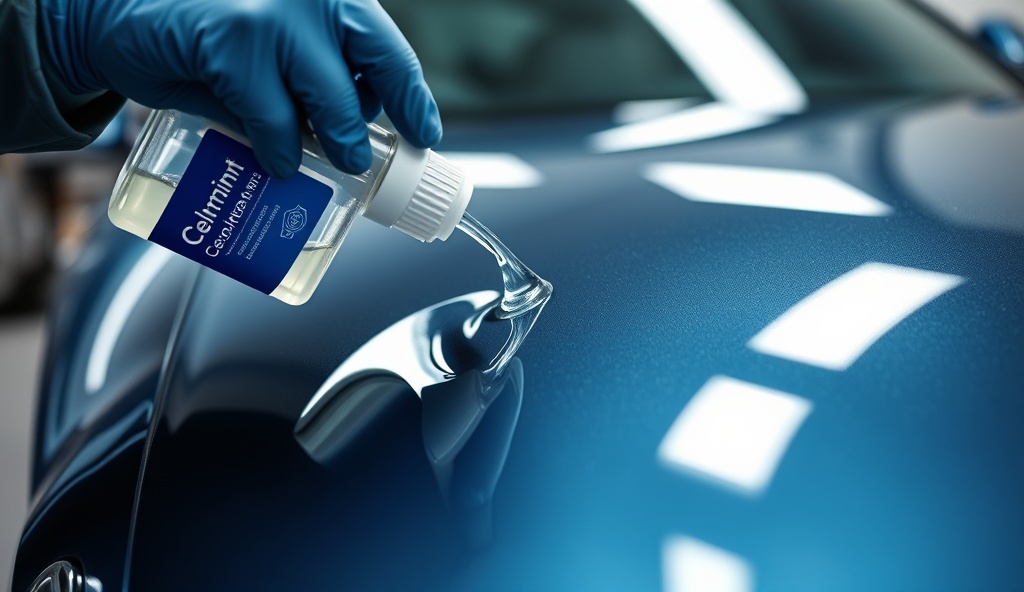
Understanding what makes ceramic coating so effective starts at the molecular level, where chemistry does the heavy lifting long before you ever see a water bead roll off your hood.
The Molecular Bonding Process
When a certified installer applies a ceramic coating, the liquid formula floods into the microscopic pores and imperfections in your vehicle’s clear coat. These are gaps invisible to the naked eye but significant enough to trap contaminants and allow UV damage to take hold. The SiO₂ nanoparticles, often ranging between 5 and 20 nanometers in size, settle into those voids as the carrier solvents begin evaporating. What happens next is the critical part: the silica particles form covalent bonds with the paint’s molecular structure, specifically strong silane and siloxane linkages (Si-O-Si) that lock the coating in place at the chemical level. During the curing phase, individual SiO₂ molecules also cross-link with each other, building a rigid, three-dimensional glass-like matrix that becomes part of the surface itself rather than simply sitting on top of it.
The Hydrophobic Effect
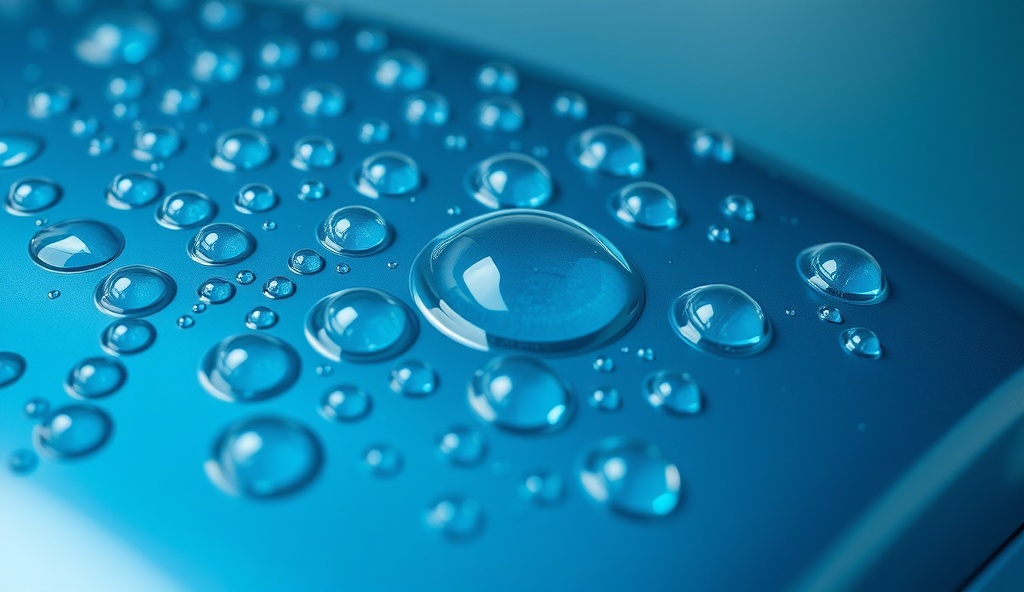
That cross-linked silica network creates a surface with very low surface energy, and this is where the self-cleaning magic becomes visible. Water molecules cannot spread across the coating; instead, they ball up into tight droplets with contact angles exceeding 110 degrees, compared to roughly 70 to 90 degrees on bare paint. When those beads roll off, they pull dirt, dust, and loose contaminants along with them. The practical result is a car that stays cleaner between washes and requires far less scrubbing when wash day arrives. Rather than bonding to the paint, grime simply has nowhere to grip on the slick silica surface.
UV and Chemical Resistance
The dense SiO₂ matrix also acts as a physical barrier against ultraviolet radiation. UV rays break down organic compounds in paint over time, causing fade, chalking, and oxidation. The inorganic nature of a ceramic coating makes it inherently more stable under that exposure, slowing the photo-oxidation process significantly. For vehicles parked outside in sun-intense climates like the Treasure Valley, this protection is genuinely valuable.
Chemical resistance works on the same principle. The siloxane bonds hold stable across a wide pH range, giving the coating meaningful resistance to road salts, bird droppings, bug splatter, industrial fallout, and acid rain. Bare paint or wax offers little defense against these contaminants; a properly cured ceramic coating buys you critical extra time to clean them before etching occurs.
Cure Time
After application, the coating enters its initial cure window of 24 to 72 hours, during which the cross-linking reactions are actively forming. During this period, the vehicle must stay completely dry and away from contaminants. Any water exposure before the bonds stabilize can cause spotting or compromise adhesion. Full cure, where the coating reaches its maximum hardness and peak chemical resistance, typically takes 7 to 21 days depending on the product, ambient temperature, and humidity levels. Warmer and drier conditions accelerate the process, which is one reason professional installation in a controlled environment consistently produces better long-term results than a DIY application in a home garage.
What Ceramic Coating Actually Protects Against
UV Protection Against Treasure Valley’s Intense Sun
Living and driving in the Treasure Valley means your vehicle faces some of the most punishing UV exposure in the Pacific Northwest. The combination of high altitude, long summer days, and minimal cloud cover accelerates a process called oxidation, where ultraviolet rays break down the chemical bonds in your paint’s clear coat and resin. Left unprotected, this shows up as chalking, fading, and a dull, hazy finish that no amount of washing will reverse. Ceramic coating acts as a sacrificial UV-blocking layer, absorbing and reflecting harmful rays before they reach the paint beneath. This is especially critical for gelcoat surfaces on RVs and trailers, which are more porous than automotive paint and degrade visibly faster under sustained sun exposure. Think of the coating as sunscreen for your vehicle, except it lasts years instead of hours.
Chemical and Contaminant Resistance on Idaho Roads
Idaho’s roads present a daily chemical assault on unprotected vehicle surfaces. In winter, highway crews spread road salt heavily across the Eagle Road corridor and surrounding highways, and that brine residue clings to lower panels and undercarriages, promoting etching and corrosion over time. During warmer months, bird droppings, tree sap, and bug splatter introduce acidic compounds that can etch into bare paint within hours on a hot day. Brake dust, carried by air currents and deposited on wheel wells and lower body panels, contains metallic particles that bond aggressively to unprotected surfaces. Ceramic coating creates a chemically resistant barrier with a wide pH tolerance, typically handling exposure across a pH range of 2 to 13. Contaminants that would otherwise etch or stain simply sit on top of the coating’s hard surface rather than bonding to your paint, making them far easier to remove before damage occurs.
The Hydrophobic Self-Cleaning Advantage
One of the most practical day-to-day benefits of ceramic coating is what happens every time it rains or you rinse your vehicle. The nano-layer’s low surface energy causes water to form tight beads with a high contact angle, rolling off the surface and carrying loose dirt, dust, and road grime with it. This hydrophobicity does not eliminate washing entirely, but it significantly reduces how often you need to wash and how much effort each wash requires. For RV and motorhome owners managing hundreds of square feet of surface area, this reduction in maintenance time translates directly into real savings. Contaminants simply do not bond as deeply to a coated surface, which means a basic rinse accomplishes what previously required soap, scrubbing, and significant time.
Gloss Enhancement That Actually Lasts
Beyond protection, ceramic coating delivers a visible, lasting improvement in how your vehicle looks. The smooth nano-layer fills microscopic imperfections in the clear coat, creating a uniform reflective surface that amplifies color depth and produces the rich, wet-look gloss most people associate with a freshly detailed car. With traditional wax, that showroom appearance fades within weeks. With a professionally applied ceramic coating, the same level of gloss can persist for years with proper maintenance. The coating resists the dulling effects of oxidation, minor surface contamination, and environmental fallout that gradually rob untreated paint of its clarity. For dark-colored vehicles especially, the difference is dramatic and immediately noticeable.
Critical Protection for RVs, Motorhomes, and Trailers
For RV owners, ceramic coating may be one of the most financially sound investments you can make in your vehicle. Fiberglass and gelcoat surfaces on motorhomes, toy haulers, and travel trailers are constantly exposed to UV radiation, road chemicals, and weather extremes. Oxidation on these large surfaces is not just cosmetic; it weakens the gelcoat structurally over time and can cost thousands of dollars to restore professionally. Ceramic coating bonds directly to the fiberglass or painted surface, sealing the pores, blocking UV penetration, and creating a durable shield that slows oxidation dramatically. RV owners in the Treasure Valley report noticeably easier cleaning after coating, with pollen, dust, and road grime rinsing away with minimal effort. When you consider the size of these vehicles and the cost of restoration versus prevention, coating an RV is not a luxury, it is practical vehicle stewardship.
What Ceramic Coating Will Not Do
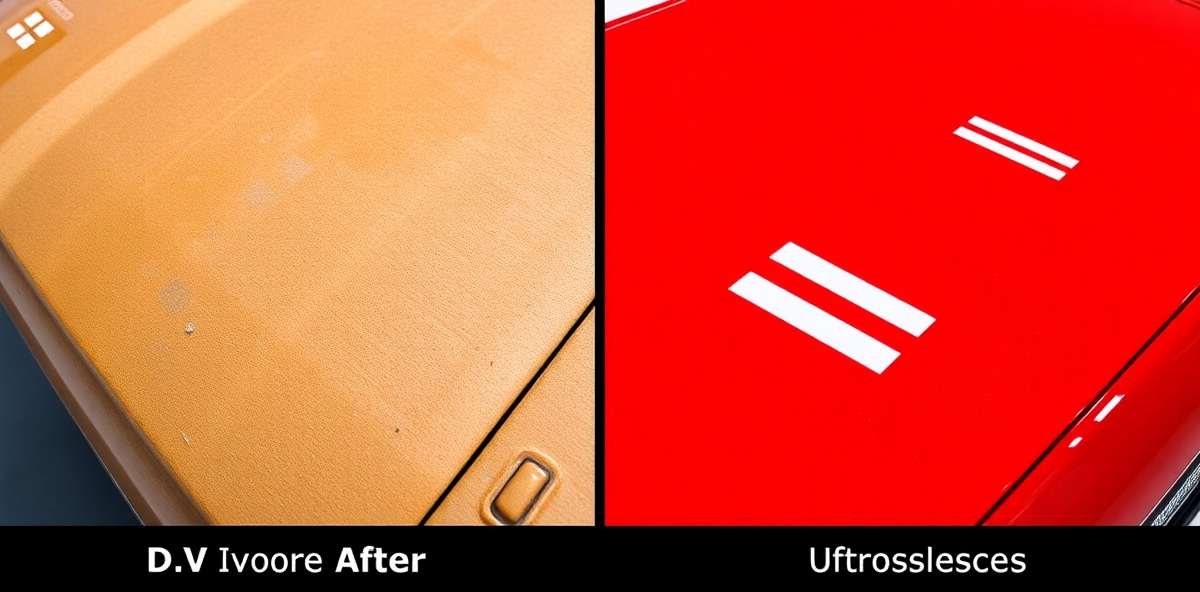
Ceramic coating delivers impressive, real-world benefits, but no product should be sold on exaggerated promises. Understanding what ceramic coating cannot do is just as important as knowing what it can, and this clarity will protect you from disappointment and help you make smarter decisions about your vehicle’s protection.
It Will Not Prevent Scratches
Ceramic coating adds a measurable degree of hardness to your paint’s surface, and it can help resist very light swirl marks caused by dust or gentle contact. However, it is not scratch-proof in any meaningful sense. Keys, fingernails, aggressive scrubbing, abrasive towels, and automatic car washes with rotating brushes can all cut right through the coating and into your paint. Professional detailers consistently debunk the scratch-proof myth as one of the most damaging misconceptions in the industry. Think of the coating as a sacrificial layer that absorbs minor environmental wear, not a physical shield against deliberate or forceful contact.
It Will Not Stop Rock Chips
If you drive Idaho highways or rural roads with loose gravel, rock chips are a legitimate concern. Ceramic coating is 1 to 3 microns thick, far too thin to absorb the energy from a rock or road debris striking your paint at highway speed. For that level of impact protection, paint protection film (PPF) is the correct solution. PPF is a thick, flexible urethane film that physically absorbs impacts and even self-heals minor scratches. Many vehicle owners choose to combine PPF on high-impact areas like the front bumper and hood with ceramic coating applied over the rest of the vehicle for a layered, comprehensive protection strategy.
It Will Not Fix Existing Paint Defects
Ceramic coating is transparent. Whatever condition your paint is in at the moment of application is exactly what gets sealed underneath. Swirl marks, oxidation, and fine scratches that exist before coating is applied will not disappear; in fact, the increased gloss the coating provides often makes those defects more visible. This is precisely why thorough paint correction before application is not optional, it is essential. Skipping that step locks defects in permanently under the coating.
It Is Not a Zero-Maintenance Solution
Ceramic coating significantly reduces how often and how hard you need to clean your vehicle, but it does not eliminate maintenance. Improper wash habits are one of the leading causes of premature coating failure. Automatic brush car washes, harsh alkaline detergents, and neglected contamination buildup all degrade the coating over time. Proper care means pH-neutral soap, hand washing or touchless methods, and prompt removal of bird droppings, tree sap, and road grime before they etch the surface.
Why Some Owners Feel Let Down
When owners report that their ceramic coating failed early or underperformed, the cause almost always traces back to one of two problems: insufficient paint correction before application, or poor wash habits afterward. When a certified installer properly preps the surface, applies the coating under controlled conditions, and the owner follows correct maintenance practices, the results are exactly as described. The coating works as engineered. Managing expectations from the start, and investing in proper preparation, is what separates a successful long-term coating from a frustrating experience.
Professional vs. DIY Ceramic Coating: An Honest Comparison
What DIY Kits Actually Offer
Walk into any auto parts store or browse Amazon, and you will find ceramic coating kits priced between $50 and $150 promising professional-level protection. These products are real, and they do provide measurable hydrophobic benefits when applied correctly. The critical phrase there is “when applied correctly.” Achieving that outcome requires thorough washing, chemical decontamination, clay bar treatment, a final isopropyl alcohol wipe-down, and application in a temperature-controlled, dust-free environment. Most first-time users underestimate this prep requirement significantly. Skipping or rushing any step leads to common failure points: high spots where the coating flashed before proper buffing, streaking from uneven application pressure, and poor bonding from surface contamination sealed beneath the layer. The kits are formulated to be more forgiving than professional-grade products, but that forgiveness comes at a direct cost to hardness, density, and longevity.
Why Professional-Grade Products Are a Different Category
The ceramic coatings that certified installers apply are not available at retail. Full stop. These professional formulations contain significantly higher SiO₂ concentrations, often exceeding 80 to 90 percent, compared to the 30 to 70 percent range typical of consumer kits. That difference in concentration produces denser cross-linking at the molecular level, greater surface hardness, and substantially stronger bonding to the paint. Professional systems also use multi-layer application protocols, with a dedicated base coat followed by one or more top coats engineered for specific properties like enhanced gloss, surface slickness, or reinforced chemical resistance. Certified installers receive formal training to handle these high-concentration formulas, which have narrower application windows and require precise technique. These formulation differences are a primary reason professional results consistently outperform retail kits in real-world durability testing.
Warranty, Prep, and the Long-Term Value Equation
Warranty coverage is one of the clearest dividing lines between the two options. Professional installations through certified programs like System X can carry multi-year or lifetime warranties registered directly to the vehicle, covering issues like oxidation, UV damage, and gloss loss with remedies that include re-treatment. DIY products offer no comparable coverage. Any limited guarantee typically covers only product replacement, not reinstallation or paint repair, and requires proof of proper application that is nearly impossible to document.
Surface preparation is the factor that experts consistently identify as the primary driver of coating longevity, with many credentialed detailers attributing more than 80 percent of results to this single variable. Certified installers perform machine polishing and paint correction before any coating touches the vehicle, a step that requires professional-grade equipment most vehicle owners simply do not own.
The cost gap is real but deserves honest context. A DIY kit costs $50 to $150 upfront and realistically delivers one to two years of effective protection under normal driving conditions. A professional installation from a certified installer typically ranges from $700 to $2,500 or more depending on vehicle size and package, but professional-level prep and formulation produce results that last five or more years. Eagle Star Detail’s premium System X packages include a lifetime warranty option, making the long-term value calculation favor professional installation decisively for any vehicle you plan to keep and protect.
How Much Does Ceramic Coating Cost?
Cost is one of the first questions most vehicle owners ask, and it deserves a straight answer. Professional ceramic coating is an investment, and understanding what drives the price helps you evaluate quotes with confidence rather than confusion.
Passenger Cars and Standard Packages
For most standard passenger vehicles, sedans, coupes, and compact cars, professional ceramic coating typically falls between $700 and $1,200. That range reflects differences in vehicle size, the current condition of the paint, the number of coating layers applied, and how long the warranty coverage extends. A vehicle with clean, well-maintained paint in good condition will land closer to the lower end. A car that needs light paint correction before the coating can properly bond will naturally cost more, since that prep work requires additional labor and time.
SUVs, Trucks, and Larger Vehicles
Larger vehicles carry a higher price for a straightforward reason: more surface area means more material, more labor hours, and more complexity. Full-size SUVs, pickup trucks, and larger sedans with paint correction included commonly run $1,200 to $2,500 or more. Professional applications on these vehicles can require 16 to 25 hours of total work, particularly when roof panels, body cladding, or heavier correction work are factored in.
RVs, Motorhomes, and Toy Haulers
Pricing for recreational vehicles operates on an entirely different scale. The surface area alone on a 40-foot motorhome dwarfs any passenger car, and most RVs arrive with significant oxidation that must be corrected before any coating will bond properly. Dedicated oxidation removal is not optional on these units; it is a prerequisite. Expect quotes for RVs and toy haulers to reflect both the prep labor and the coating application, with total costs commonly ranging from $2,000 to $6,000 or more depending on length and condition.
Lifetime Warranty Packages and the Five-Year Math
Premium packages with lifetime warranty coverage represent the upper tier, often starting around $1,500 and ranging well above $3,000 for larger or more complex vehicles. That figure can feel significant upfront. However, compare it against five years of recurring wax applications every three months, one or two paint correction sessions to address neglected swirls and oxidation, and the real possibility of partial repainting on heavily faded panels. Averaged across that same five-year window, professional ceramic coating frequently proves to be the more economical choice, while delivering results that repeated waxing simply cannot match.
Ceramic Coating for RVs, Motorhomes, and Toy Haulers
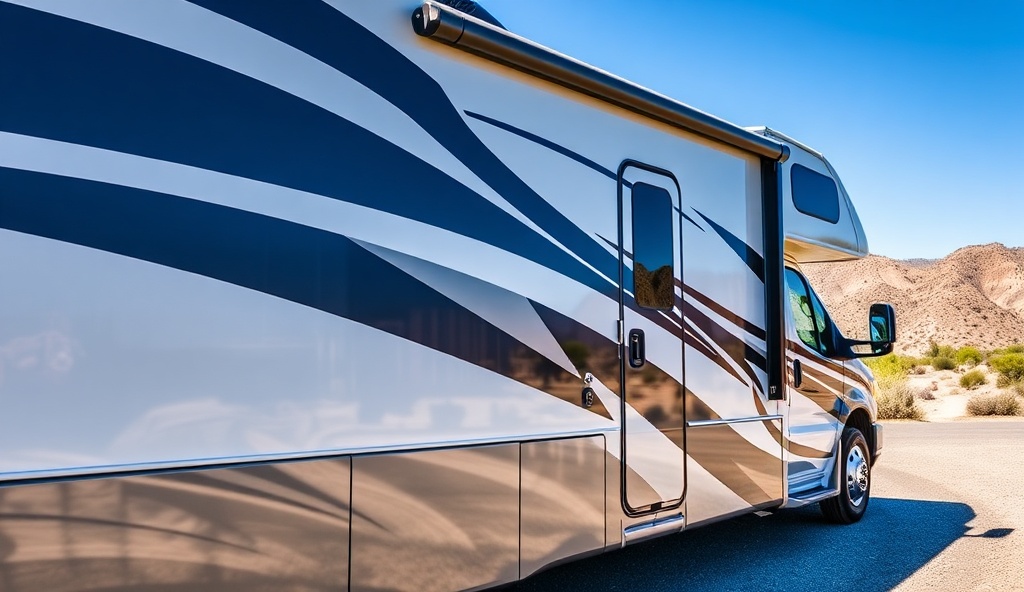
Recreational vehicles occupy a different category entirely when it comes to paint protection, and most RV owners discover this the hard way. Unlike a daily-driven car that spends nights in a garage and hours in motion, a motorhome, toy hauler, or travel trailer often sits stationary for weeks or months at a stretch, fully exposed to direct sunlight, rain, road chemicals from the last trip, and the temperature swings that come with seasonal storage. That constant, uninterrupted exposure accelerates oxidation on fiberglass and painted surfaces at a rate that outpaces virtually any passenger vehicle. The result is a chalky, faded exterior that many owners mistake for an unavoidable fact of RV ownership rather than a preventable condition.
Why Oxidation on an RV Is a Serious Problem
Oxidation on an RV goes well beyond appearance. When fiberglass or gelcoat begins to chalk and break down, the surface becomes porous and increasingly difficult to clean. Contaminants embed themselves deeper into the degraded material, washing becomes more labor-intensive, and each passing season compounds the damage. Buyers shopping for used RVs inspect the exterior closely, and oxidized surfaces signal neglect regardless of how well the mechanical systems have been maintained, directly reducing resale value. Ceramic coating addresses this by forming a sealed, chemically bonded barrier over the surface. That barrier slows the oxidation process, preserves color depth and gloss, and keeps the surface non-porous so contaminants rinse away rather than penetrating the finish.
The Mobile Advantage for Large Vehicles
Logistics alone make ceramic coating a different conversation for RV owners. Hauling a 38-foot Class A motorhome to a fixed-location shop is not a simple errand; it requires significant time, planning, and in many cases, additional cost just to transport the vehicle. Mobile detailing eliminates that barrier entirely. A certified mobile installer brings all the necessary equipment, products, and expertise directly to wherever the vehicle lives, whether that is a storage facility, a campsite, a home driveway, or a covered pad. For RV owners in the Treasure Valley and surrounding areas, this convenience is not a luxury feature; it is a practical necessity.
Prep Work Determines the Outcome
One factor beginners consistently underestimate is the scope of preparation required before coating an RV. Applying ceramic coating over oxidized, scratched, or contaminated surfaces locks those imperfections in permanently and compromises the coating’s bonding ability. Professional prep for an RV typically involves multi-stage oxidation removal, compound polishing to restore gloss, and full chemical decontamination before a single drop of coating is applied. This process can span one to several days depending on the vehicle’s size and condition, and it should be built into the project timeline from the start.
Eagle Star Detail is a certified System X installer serving motorhome, toy hauler, and travel trailer owners throughout Eagle and the broader Treasure Valley with fully mobile ceramic coating packages. The company’s services are specifically structured around the realities RV owners face, combining thorough oxidation correction with professional-grade coating installation at the vehicle’s location, protecting large investments without requiring owners to move them an inch.
Why the Treasure Valley Climate Makes Ceramic Coating Worth Considering
The Treasure Valley is not a forgiving environment for unprotected vehicle paint, and the climate data backs that up clearly.
Boise’s historical UV index averages 10.9 in July, with recorded peak values approaching 12, which places the region firmly in the “extreme” UV category for multiple months each year. That intensity, combined with low humidity and abundant sunshine, breaks down paint pigments and clear coat polymers significantly faster than cloudier, lower-elevation climates. What appears as fading or a chalky surface is the clear coat literally degrading from UV bombardment. Ceramic coating incorporates UV-absorbing compounds into a hard, chemically bonded layer that wax cannot replicate. Wax offers minimal UV protection and wears off within weeks, leaving your paint exposed through the longest and most damaging stretch of the Treasure Valley summer.
Winter introduces an entirely different threat. The Idaho Transportation Department applies salt brine solutions and chloride-based deicers on highways throughout Ada and Canyon counties, including roads throughout the Eagle corridor. These chemicals do not simply rinse away after a storm. They cling to painted surfaces, wheel wells, and body seams, and they remain chemically active as long as moisture is present. Ceramic coating forms a non-porous, chemically resistant barrier that prevents chloride ions from making direct contact with your paint and underlying metal.
The region’s temperature swings compound both problems. Summer highs regularly reach the low 90s while winter nights drop into the mid-20s, creating repeated cycles of expansion and contraction in your paint. A properly bonded ceramic coating flexes with those movements. Wax cracks and flakes off under the same stress, leaving gaps in protection at exactly the wrong time.
Add persistent canyon winds, agricultural dust, and regional particulates that act as fine abrasives on any bare surface, and you have a complete case for why ceramic coating is a practical protective investment here, not a luxury upgrade, whether you drive a daily commuter, a truck, or a motorhome.
What to Look for When Choosing a Ceramic Coating Installer
Not every installer who offers ceramic coating has the training, products, or standards to back it up. Knowing what to evaluate before you commit will save you from a costly mistake and ensure your coating performs the way it should for years to come.
Certification Is Your First Filter
Reputable ceramic coating brands require installers to complete formal training and demonstrate proficiency before they can legally offer or apply their products. This is not a formality. Certification means the installer understands the product’s chemistry, application technique, cure requirements, and maintenance standards. More critically, warranties tied to premium coatings are only valid when the product is applied by an authorized installer. Work performed by an uncertified applicator typically voids coverage entirely, no matter how well the job appears to have gone. Always ask an installer for proof of certification and verify their status directly with the manufacturer if you have any doubt.
Ask Exactly What Prep They Perform
Proper surface preparation is where coating jobs succeed or fail, and a trustworthy installer will walk you through the entire process without hesitation. Professional prep includes a thorough wash, chemical decontamination to remove embedded iron and industrial fallout, a clay bar treatment to clear bonded surface contaminants, and machine paint correction to eliminate swirl marks, light scratches, and oxidation. A final panel wipe removes any remaining oils before the coating is applied. Any installer who skips or minimizes these steps is cutting corners that will directly compromise the coating’s adhesion and durability. The prep process alone can take several hours on a clean car and considerably longer on a vehicle that has seen significant sun exposure or neglect.
Understand the Product and the Warranty
Ask specifically which coating will be applied, how many layers are included, and what the warranty covers and for how long. Multi-year and lifetime options both exist, but the terms vary considerably. Lifetime warranties typically require registration through the manufacturer’s portal within a set window after application, and some programs log the coating to the vehicle’s history so the coverage transfers when you sell. Confirm what maintenance requirements apply, because failing to meet them can void the warranty even if the coating was installed perfectly.
Mobile vs. Shop-Based Service
Mobile installation is a practical choice for many vehicle owners, particularly those with RVs, toy haulers, or large trucks that are difficult to transport. A qualified mobile installer brings shade structures, clean water, proper lighting, and all necessary equipment to your home, office, or storage facility. The results are equivalent to a fixed shop when environmental conditions are properly managed. If you are considering a mobile provider, ask specifically how they handle direct sun, dust, and temperature control on-site.
Eagle Star Detail is a certified System X installer serving Eagle, Boise, Meridian, and the broader Treasure Valley corridor. Their mobile service comes directly to you with the same prep standards, certified products, and warranty-backed options as any professional shop, including lifetime protection packages for vehicles that qualify.
How to Maintain a Ceramic Coating So It Lasts
The single biggest mistake vehicle owners make after ceramic coating installation is returning to automatic car washes with spinning brushes, cloth strips, or foam applicators. These friction-based systems introduce micro-scratches and swirl marks that physically abrade the coating layer with every pass. Many automatic washes also use harsh alkaline chemicals with pH levels between 8 and 12, which actively degrade the hydrophobic properties your coating was designed to deliver. Repeated use does not just reduce performance gradually; it can void your warranty entirely.
The correct approach is the two-bucket hand wash method. One bucket holds clean, pH-neutral soapy water. The second holds rinse water with a grit guard at the bottom to trap dirt before it reaches your wash mitt again. Work from the roof down using a microfiber or chenille mitt, pre-rinse thoroughly to leverage the coating’s hydrophobicity, and dry with a high-GSM plush microfiber towel or filtered air blower to prevent water spotting. When hand washing is not practical, a touchless automatic wash is a far safer alternative than a brush-based tunnel.
Contaminant removal deserves the same urgency. Bird droppings, tree sap, and bug splatter are acidic, and while a ceramic coating resists bonding better than bare paint, prolonged contact still etches through the protective layer over time, particularly in summer heat. Remove these contaminants promptly using a pH-neutral cleaner and a clean microfiber towel rather than letting them bake onto the surface.
Scheduling an annual or semi-annual inspection with your installer allows early detection of reduced hydrophobicity, embedded contamination, or gloss loss before the coating is fully compromised. Catching degradation early means spot correction rather than full reapplication.
Finally, many professional coating systems include maintenance spray or ceramic booster products that refresh the hydrophobic layer between professional visits. Applied every three to six months after a proper wash, these SiO2-infused toppers act as a sacrificial layer that extends the life of the base coating underneath. Ask your installer specifically which products are compatible with the coating applied to your vehicle, as formulations vary and using the wrong product can interfere with performance.
Ceramic Coating FAQ
How long does ceramic coating last?
Lifespan depends heavily on the product tier and who applies it. Consumer-grade DIY kits typically last one to two years under normal conditions, and that estimate assumes careful application and proper maintenance. Professional entry-level coatings applied by a trained installer generally hold up for two to four years. Premium certified-installer products, including multi-layer systems from manufacturers like System X, deliver five or more years of protection, with select packages offering lifetime coverage backed by a registered warranty. The gap between tiers is not marketing language; it reflects real differences in solids content, bonding chemistry, and application technique.
Does ceramic coating work on RVs and fiberglass surfaces?
Ceramic coating is one of the most effective long-term protection options available for recreational vehicles, but surface preparation is non-negotiable. Oxidation, the chalky fading caused by prolonged UV exposure, must be fully removed through compounding and polishing before any coating is applied. Coating over oxidized fiberglass results in poor adhesion, premature failure, and uneven appearance. When prep is done correctly, the coating bonds to clean gelcoat or fiberglass and delivers years of UV resistance, hydrophobic water-beading, and dramatically easier cleaning of road grime and bug splatter across large surface areas.
Can ceramic coating be applied to a new vehicle?
New vehicles are actually ideal candidates for ceramic coating. Factory paint on a new vehicle typically has minimal swirl marks or scratches, which means little or no paint correction is required before the coating goes on. This allows the full advertised lifespan of the product to begin from day one rather than being shortened by skipped prep steps. Applying coating early also locks in the factory gloss before UV exposure, environmental fallout, and washing habits have a chance to degrade the clear coat.
What is the difference between ceramic coating and paint protection film?
Paint protection film is a thick polyurethane layer that physically absorbs impacts from rock chips, road debris, and minor abrasions. Ceramic coating is a nano-scale chemical layer that does not absorb physical impact but excels at UV protection, chemical resistance, and hydrophobic surface properties. The two products are complementary rather than competitive. Many vehicle owners choose to apply film to high-impact zones like the front bumper and hood, then coat the entire vehicle over the top for comprehensive protection.
Will ceramic coating affect my factory paint warranty?
Professionally applied ceramic coating bonds to the clear coat surface without altering the underlying paint or any mechanical components. There are no widespread documented cases of OEM paint warranties being voided by a properly installed professional coating. That said, every manufacturer’s warranty terms differ slightly, so confirming the specifics with your dealer before scheduling an appointment is a reasonable step if you have active coverage concerns.
How do I know if my vehicle needs paint correction before coating?
Inspect your paint under direct sunlight or a focused light source and look for swirl marks, fine scratches, water spot etching, or any dullness in the clear coat. Ceramic coating bonds permanently to whatever surface it touches, which means existing defects get sealed in and become far more difficult to address later without removing the coating entirely. A qualified installer will assess your paint condition and recommend the appropriate level of correction, whether that is a single-step polish for minor issues or multi-stage compounding for heavier defects, before proceeding.
Is Ceramic Coating Worth It? A Straightforward Answer
Ceramic coating is not magic, and any installer worth hiring will tell you that upfront. What it is, however, is the most durable, chemically bonded paint protection available for vehicles driven in real-world conditions. Over a multi-year period, it outperforms wax in every measurable category: UV resistance, chemical defense, hydrophobic performance, and surface longevity. Wax degrades in weeks. A properly installed professional coating holds up for years.
That durability comes with honest conditions attached. Go in with accurate expectations, commit to proper washing techniques, and choose a certified installer who prioritizes thorough prep work. The coating itself is only as good as the surface beneath it and the hands that apply it.
For drivers in the Treasure Valley, those conditions make ceramic coating a practical investment rather than a cosmetic luxury. Boise summers deliver punishing UV exposure. Winter roads bring chemical treatments that etch unprotected clear coat. And for RV and toy hauler owners, the sheer surface area exposed to those elements, often while parked in open storage, makes long-term protection a genuine maintenance concern.
If you are weighing this decision for a car, truck, motorhome, or toy hauler, Eagle Star Detail offers mobile consultations and quotes throughout the Eagle and Boise area. Their certified System X installation and paint correction services bring professional-grade protection directly to you.
The single most important thing to remember: the difference between a coating that fades after two years and one that holds for a lifetime almost always comes down to installer certification and prep quality, not the price tag on the product itself.
Conclusion
Ceramic coating is a powerful tool, but it works best when you go in with the right expectations. Here are the key takeaways to remember:
- It provides exceptional protection against UV rays, chemical contaminants, and light scratches
- It is not a miracle shield; deep scratches, rock chips, and heavy impacts can still cause damage
- Professional application and proper maintenance determine how long your results last
- The investment is worth it for drivers who want long-term paint preservation and reduced detailing costs
Now that you understand both sides of the equation, the next step is yours. Research reputable installers in your area, request quotes, and ask about warranties. Your car’s paint is worth protecting. With the right knowledge and the right coating, you can keep it looking showroom-fresh for years to come.
About the Author
David Faustina
Founder & Certified Ceramic Coating Installer
David Faustina is a professionally trained and certified detailer specializing in paint correction, ceramic coating installation, and RV detailing. As founder of Eagle Star Detail, he personally works on every vehicle to ensure premium results and customer satisfaction.
Ready to experience professional detailing?
Eagle Star Detail specializes in professional mobile detailing throughout Boise and the Treasure Valley.