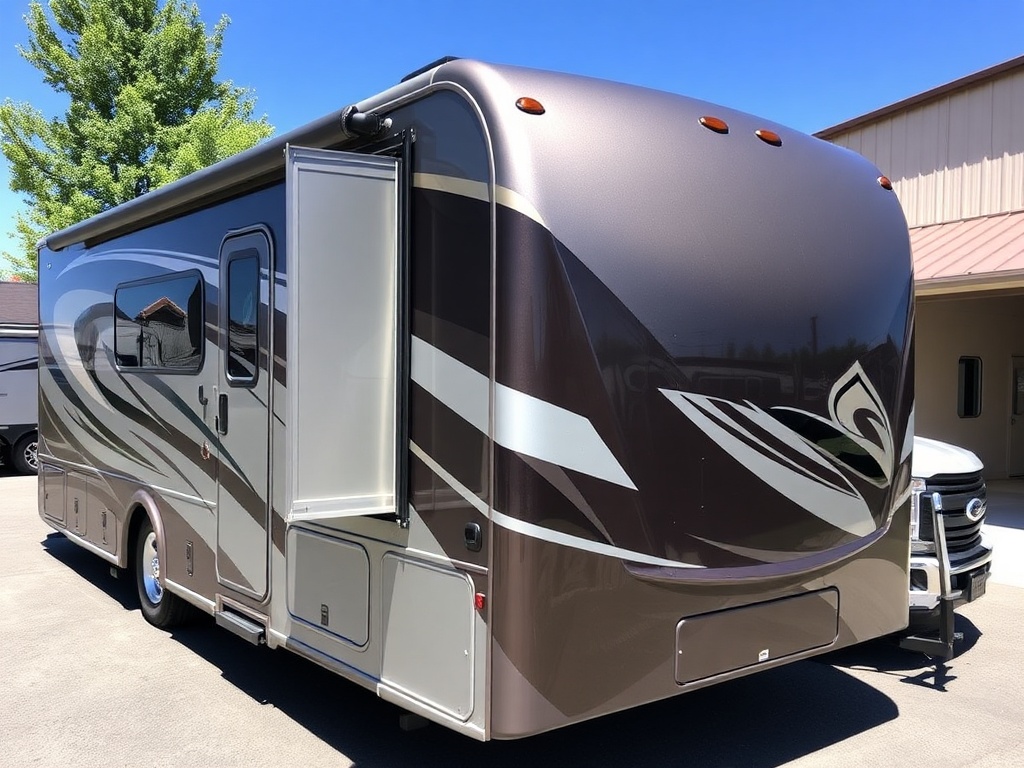
Many vehicle owners make the mistake of applying ceramic coating directly to their vehicle’s existing paint without addressing underlying defects. This is one of the most critical errors in ceramic coating installation. Paint correction before ceramic coating application is absolutely essential to achieving the best results. This comprehensive guide explains why paint correction matters and what the process involves.
Understanding Paint Defects
What Defects Does Paint Correction Address?
Most vehicles accumulate paint defects over years of normal use. Professional paint correction removes or minimizes these imperfections:
Surface-Level Defects:
- Swirl marks: Fine scratches from improper washing technique
- Light scratches: Minor damage from brushes, branches, or careless contact
- Holograms: Circular patterns from rotary buffing or improper machine polishing
- Buffer trails: Lines left from polishing machines
- Dust nibs: Small particles embedded in clear coat
Chemical Defects:
- Water spots: Mineral deposits from rain or sprinkler water
- Etching: Chemical damage from bird droppings or tree sap
- Oxidation: Chalky, dull surface from extended UV exposure
- Fallout: Industrial contaminants embedded in paint
- Overspray: Paint from nearby spray application
Environmental Damage:
- Oxidation: Dull, chalky appearance from sun exposure
- Fading: Color fading from UV exposure and environmental factors
- Micro-marring: Microscopic damage accumulation from environmental exposure
- Paint failure areas: Sections where clear coat is compromised
How These Defects Accumulate
In Boise’s high-altitude environment with intense UV exposure, paint defects accumulate faster:
- First 1-2 years: Minor swirl marks from washing and environmental fallout
- 3-5 years: Noticeable oxidation, increased scratches, water spot damage
- 5-10 years: Significant oxidation, deep scratches, chemical etching, possible clear coat failure in spots
- 10+ years: Severe oxidation, multiple layers of damage, possible bare paint exposure
Why Paint Correction Before Ceramic Coating is Critical
1. Ceramic Coating Seals What’s Underneath
This is the most important concept: Ceramic coating bonds over your existing paint defects—it doesn’t fix them.
The Critical Difference:
- Without correction: Coating seals in swirl marks, scratches, water spots, and oxidation permanently
- With correction: Coating protects a smooth, pristine surface that looks flawless
Once ceramic coating hardens, those defects are locked in place for 5-10 years. You cannot fix them without removing the entire coating and starting over.
2. Maximizes Ceramic Coating Adhesion
A smooth surface allows ceramic coating to bond properly:
Proper Surface Preparation:
- Creates optimal surface profile for chemical bonding
- Removes contaminants that prevent bonding
- Allows coating to achieve maximum hardness
- Ensures even coverage across entire surface
- Prevents premature coating failure
Poor Surface Preparation:
- Coating bonds to contaminated surface
- Uneven coverage leads to weak spots
- Adhesion failure in areas with defects
- Coating may peel or fail prematurely
- Warranty may be voided
3. Ensures Optimal Appearance
The final appearance depends entirely on the surface underneath the ceramic coating:
Corrected Paint + Ceramic Coating:
- Flawless, glass-like finish
- Perfect reflection and depth
- Professional showroom appearance
- Consistent gloss across entire vehicle
- Maintains appearance for years
Uncorrected Paint + Ceramic Coating:
- Defects permanently visible under coating
- Swirl marks and scratches magnified by gloss
- Water spots and etching visible
- Oxidation visible despite coating
- Defects appear worse under ceramic gloss
4. Protects Against Future Damage
Paint correction removes areas of paint weakness:
- Clear coat thickness: Removes only damaged clear coat, preserves protective layers
- Paint strength: Addresses oxidized areas that won’t support coating properly
- Contaminant removal: Eliminates embedded particles that can cause future issues
- Surface preparation: Ensures coating has optimal surface to protect
The Paint Correction Process
Pre-Correction Assessment
A professional paint correction starts with detailed inspection:
Paint Depth Measurement:
- Measure paint thickness with professional gauge
- Identify areas of concern
- Determine safe correction depth available
- Assess whether correction is possible without exposing primer
Defect Cataloging:
- Photograph all visible defects
- Map defect locations on vehicle
- Classify defect severity (light, medium, heavy)
- Determine correction methods needed
- Estimate time and cost
Surface Inspection:
- Clay bar testing to identify contaminants
- Water beading test to assess clear coat condition
- Light inspection under multiple angles
- Identification of previous repair work
- Assessment of overall paint condition
Surface Preparation
Before correction begins, the vehicle must be thoroughly cleaned:
Decontamination Process:
- Wash: Complete vehicle wash with pH-neutral soap
- Rinse: Thorough rinse to remove all soap residue
- Clay bar treatment: Removes embedded contaminants
- Degreaser wash: Removes oils and residue
- Final rinse: Complete rinse with deionized water
- Dry: Complete drying with compressed air
Why This Matters:
- Removes particles that would scratch during polishing
- Ensures polishing compounds work properly
- Protects paint from further contamination
- Creates optimal surface for correction
Paint Correction Techniques
Professional paint correction uses multiple methods:
Light Correction (for minor defects):
- Light machine polishing
- One-step correction process
- Removes swirl marks and light scratches
- 70-80% defect removal
- Time: 4-8 hours for most vehicles
- Cost: $400-800
Medium Correction (for moderate defects):
- Multiple polishing steps with progressively finer compounds
- Two-step correction process
- Removes swirl marks, light scratches, minor oxidation
- 85-95% defect removal
- Time: 8-16 hours for most vehicles
- Cost: $800-1,500
Heavy Correction (for severe defects):
- Multiple aggressive polishing steps
- Three-step or more correction process
- Removes swirl marks, scratches, oxidation, etching, water spots
- 95%+ defect removal
- Time: 16-32+ hours for most vehicles
- Cost: $1,500-3,000+
Specialized Techniques:
- Rotary polishing: For aggressive correction
- Dual-action polishing: For safer, even correction
- Hand polishing: For fine details and edges
- Wet sanding: For severe clear coat damage (controversial)
Post-Correction Verification
After correction is complete, thorough verification ensures quality:
Quality Inspection:
- Inspect under multiple lights and angles
- Photograph corrected areas
- Compare to pre-correction photos
- Test water beading and behavior
- Clean any remaining polish residue
Surface Preparation for Coating:
- Final decontamination wash
- IPA (isopropyl alcohol) wipe-down
- Chemical preparation of surface
- Final inspection before coating application
Paint Correction Depth and Safety
Understanding Safe Correction Depth
Not all paint can be corrected to the same depth:
Typical Paint Structure:
- Clear coat: 1.5-2.5 mils (typically what gets corrected)
- Base coat: 1-1.5 mils (sometimes corrected in heavy damage)
- Primer: 1-2 mils (should never be exposed)
- Total: 4-6 mils typical vehicle paint
Safe Correction:
- Professional detailers work only within clear coat
- Never intentionally expose base coat
- Stop if approaching primer
- Most vehicles have sufficient clear coat for light to medium correction
- Some vehicles (especially older cars) have limited correction depth
Paint Thickness Guidelines:
- Less than 3 mils: Only very light correction, risky
- 3-5 mils: Medium correction is safe
- 5-7 mils: Full correction is safe
- 7+ mils: Complete correction possible
Boise Climate Considerations
Boise’s environment affects paint condition and correction needs:
High-Altitude Sun Damage:
- Intense UV exposure causes rapid oxidation
- More vehicles need heavy correction in Boise
- Clear coat damage accumulates faster
- Professional protection after correction is critical
Winter Salt Exposure:
- Road salt causes etching and oxidation
- Salt exposure creates additional defects
- Winter driving increases swirl mark formation
- More aggressive correction may be needed
Dust and Contaminants:
- Boise’s dry climate creates dust buildup
- Industrial fallout affects paint more severely
- Environmental contaminants more aggressive
- More frequent correction may be needed
Common Paint Correction Mistakes
Mistake 1: Skipping Paint Correction
Many shops apply ceramic coating without adequate correction:
Why This Happens:
- Saves time and labor cost
- Customers don’t understand importance
- Less experienced technicians skip this step
- Cheaper installation appears attractive
Consequences:
- Defects permanently sealed under coating
- Poor final appearance
- Customer disappointment
- Warranty disputes
- Coating must be removed to fix issues
Mistake 2: Over-Correction
Aggressive polishing can remove too much clear coat:
Why This Happens:
- Trying to achieve perfection
- Using too aggressive compounds
- Not monitoring paint depth properly
- Inexperienced technicians
Consequences:
- Exposed base coat or primer
- Paint damage instead of protection
- Required repainting
- Coating application impossible
- Expensive repairs
Mistake 3: Using Wrong Products
Improper polishing products damage paint:
Problems:
- Heavy compounds designed for bare paint
- Excessive compound residue
- Incomplete compound removal
- Silicone-based products that interfere with coating
Solutions:
- Use ceramic-safe polishing compounds
- Professional-grade products only
- Proper compound removal procedures
- IPA wipe-down before coating
Mistake 4: Incomplete Inspection
Not identifying all defects leads to surprises:
Issues:
- Defects discovered after coating application
- Customer unhappiness
- Unable to fix without coating removal
- Warranty issues
Solution:
- Thorough pre-correction inspection
- Multiple light angles
- Documentation with photos
- Clear communication with customer
The Paint Correction to Ceramic Coating Timeline
Typical Installation Schedule
Day 1: Inspection and Planning
- Paint depth measurement
- Defect assessment
- Quote preparation
- Customer approval
Days 2-4: Paint Correction
- Decontamination wash
- Clay bar treatment
- Machine polishing (1-3 days depending on correction level)
- Final inspection
- Surface preparation
Day 5: Ceramic Coating Application
- Final surface preparation
- Ceramic coating application
- 48-hour cure period begins
- Customer pickup and instructions
Days 6-7: Curing
- Complete drying in controlled environment
- No water exposure
- No driving
- No touch or pressure
Total Time Investment
- Light correction + coating: 3-5 days
- Medium correction + coating: 5-7 days
- Heavy correction + coating: 7-10+ days
- Cost: Ranges from $1,200-3,500+ depending on correction level
Boise Vehicles and Paint Correction Needs
Vehicles Most Likely to Need Correction
In Boise’s environment, certain vehicles benefit most from paint correction:
High-Risk Categories:
- Vehicles 5+ years old: Accumulated oxidation and damage
- Fleet vehicles: Heavy use and multiple drivers
- Vehicles parked outdoors: Extended sun and salt exposure
- Dark-colored vehicles: Swirl marks more visible
- Frequently driven vehicles: More exposure to damage
Lower-Risk Categories:
- Garaged vehicles: Protected from elements
- New vehicles: Minimal existing damage
- Light-colored vehicles: Swirl marks less visible
- Low-mileage vehicles: Less exposure to contaminants
Cost-Benefit Analysis for Boise Owners
Investing in Paint Correction:
Costs:
- Light correction: $400-800
- Medium correction: $800-1,500
- Ceramic coating application: $500-1,500
- Total: $900-3,000
Benefits:
- Perfect appearance for 5-10 years
- Maximum coating adhesion and durability
- Warranty protection
- Increased resale value
- Professional showroom finish
ROI: Paint correction typically costs 20-30% of total ceramic coating investment but is responsible for 50%+ of the final quality perception.
Professional Paint Correction at Eagle Star Detail
Paint correction requires specialized skill and equipment:
Our Process:
- Professional paint depth measurement
- Comprehensive defect assessment
- Photography documentation
- Appropriate correction methods
- Multiple inspection points
- Quality verification before coating
Why Professional Correction Matters:
- Protects paint while removing defects
- Uses proper compounds and techniques
- Professional-grade equipment
- Experience with Boise climate damage
- Warranty and quality guarantee
Eagle Star Detail Services:
- Complete paint correction evaluation
- Light, medium, or heavy correction options
- Ceramic coating application immediately after
- Full warranty coverage
- Service throughout Boise and surrounding areas
FAQ: Paint Correction Before Ceramic Coating
Q: Do all vehicles need paint correction? A: While not all vehicles need correction, nearly all benefit from at least light correction before ceramic coating application.
Q: Can I apply ceramic coating without paint correction? A: Technically yes, but defects will be permanently sealed under the coating. Not recommended.
Q: How much paint is removed during correction? A: Professional correction removes only 0.1-0.5 mils of clear coat, which is safe and leaves protective layers intact.
Q: Will paint correction hide water spots? A: Yes, but only if the spots haven’t etched into the clear coat. Deep etching may require multiple correction steps.
Q: How long does paint correction take? A: Light correction: 4-8 hours; Medium: 8-16 hours; Heavy: 16-32+ hours, depending on vehicle condition.
Q: Is paint correction worth the cost? A: Yes. The cost is justified by improved coating adhesion, durability, and final appearance lasting 5-10 years.
Q: Can I do paint correction myself? A: Not recommended. Professional equipment and expertise are required to avoid damaging paint or exposing primer.
Q: Does Boise’s climate require more paint correction? A: Yes. High-altitude sun and road salt cause more damage, making paint correction even more important.
Making the Right Choice
Paint correction before ceramic coating is not an optional upgrade—it’s essential preparation. Skipping this step compromises everything that makes ceramic coating valuable: durability, appearance, and protection.
At Eagle Star Detail, we never apply ceramic coating without proper paint correction. We believe in doing the job right from the start, ensuring your vehicle receives the full benefit of professional ceramic coating protection.
Ready to invest in flawless paint protection? Contact Eagle Star Detail today to discuss your vehicle’s paint correction and ceramic coating needs. Let our Boise experts assess your paint condition and prepare it for optimal ceramic coating results.
About the Author
David Faustina
Founder & Certified Ceramic Coating Installer
David Faustina is a professionally trained and certified detailer specializing in paint correction, ceramic coating installation, and RV detailing. As founder of Eagle Star Detail, he personally works on every vehicle to ensure premium results and customer satisfaction.
Ready to experience professional detailing?
Eagle Star Detail specializes in professional mobile detailing throughout Boise and the Treasure Valley.