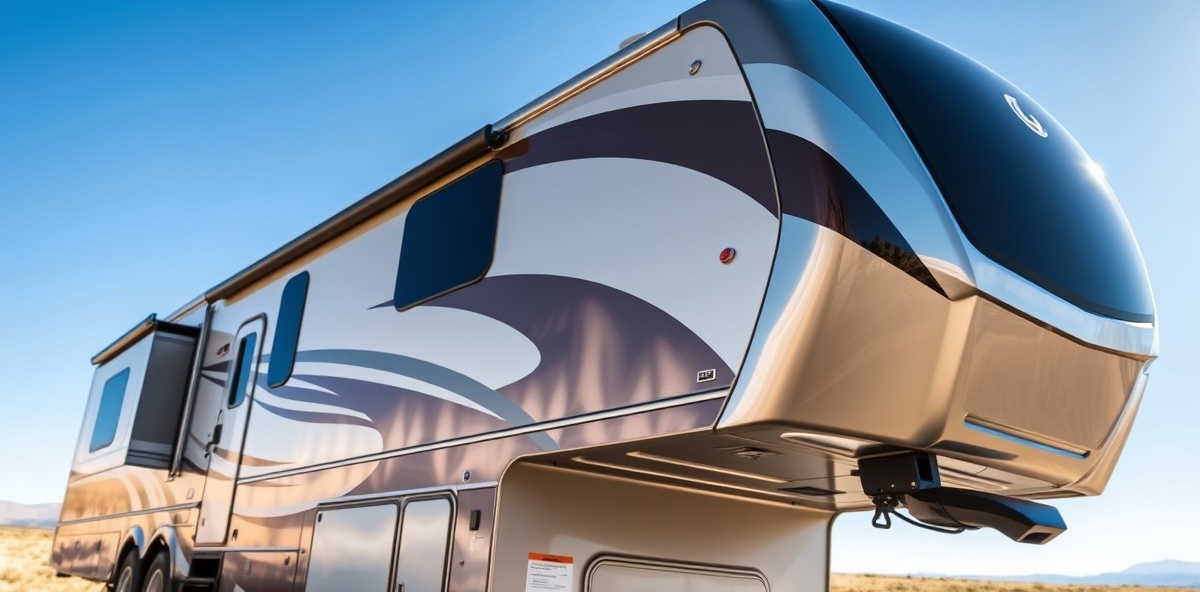
If you own an RV in Boise, Eagle, Meridian, or anywhere in the Treasure Valley, the sun is one of the biggest threats to your RV’s exterior finish.
Boise’s high-altitude desert climate brings intense UV exposure, dry air, hot summer temperatures, and long stretches of clear skies. Over time, that environment can break down RV gel coat and fiberglass surfaces, leaving behind the chalky, faded, dull finish many RV owners eventually notice.
That chalky layer is oxidation. And once it begins, it usually gets worse unless the surface is properly restored and protected.
This guide explains why RV oxidation happens so quickly in Boise, how ceramic coatings help prevent it, when montan wax makes sense, and what RV owners can do to protect their investment before the damage becomes expensive.
Why Boise Is So Harsh on RV Finishes
Boise’s unique climate creates conditions that accelerate RV oxidation compared to many other regions. Understanding these risk factors helps you appreciate why professional protection is essential for Treasure Valley RV owners.
Boise RV Oxidation Risk Factors
| Risk Factor | Why It Matters |
|---|---|
| High UV Exposure | Boise’s elevation and clear desert air allow stronger UV exposure than many lower-elevation or coastal climates. The intense radiation breaks down protective coatings rapidly. |
| Extreme Heat | RV roofs and side panels become extremely hot during summer, especially when parked in full sun. This heat accelerates the breakdown of waxes, sealants, and unprotected gel coat. |
| Dry Air | Low humidity can accelerate the breakdown of protective finishes. Unprotected aluminum is exposed to constant environmental stress. |
| Long Sunny Seasons | With frequent clear days, RV surfaces receive consistent sun exposure throughout much of the year. Unlike coastal or cloudy regions, Boise offers minimal reprieve from UV damage. |
What RV Oxidation Actually Is
RV fiberglass bodies are often protected by gel coat, a resin-based surface layer designed to shield the fiberglass underneath. When UV rays, heat, and environmental contamination break down that layer, the finish loses gloss and becomes faded or chalky.
This isn’t just a cosmetic issue. Oxidation represents a breakdown of your RV’s protective barrier, exposing underlying materials to further deterioration.
Common Signs of RV Oxidation
- Dull or faded side panels
- Chalky white residue when you wipe the surface
- Loss of color depth and shine
- Rough or dry-feeling fiberglass
- Streaking, staining, or uneven gloss
- Increased difficulty washing the RV clean
Early oxidation can often be corrected with professional polishing. Advanced oxidation may require heavier restoration and can become significantly more expensive.
Best Prevention Option — Professional Ceramic Coating
A professional ceramic coating is one of the strongest protection options for RV owners in Boise. Unlike traditional wax, a ceramic coating bonds to the surface and creates a durable protective layer that helps resist UV damage, oxidation, water spotting, staining, and environmental contamination.
Benefits of Ceramic Coating for Boise RV Owners
Long-Term UV Protection — Helps slow fading, chalking, and sun damage from Boise’s intense sun exposure.
Hydrophobic Surface — Water, dirt, and road film release more easily during washing, reducing maintenance time.
Gloss Retention — Helps preserve a cleaner, deeper, more reflective finish that shows off your RV’s appearance.
Reduced Maintenance — Makes routine washing easier and helps protect the RV between services.
Better Long-Term Value — Protecting the gel coat helps preserve appearance and resale value.
Ceramic Coating Application Process
Our RV Ceramic Coating Process follows professional standards to ensure proper bonding and maximum protection.
1. Deep Exterior Wash — The RV is carefully washed to remove dirt, road film, bugs, and surface contamination. This prepares the surface for the detailed work ahead.
2. Surface Decontamination — Embedded particles are removed so the coating can properly bond to the surface without interference.
3. Oxidation Removal or Paint Enhancement — If needed, the surface is polished to remove oxidation, dullness, and minor surface defects, creating a clean canvas for coating application.
4. Ceramic Coating Application — A professional-grade ceramic coating is applied to properly prepared surfaces with controlled technique and timing.
5. Cure and Final Inspection — The coating is allowed to cure, and the finish is inspected for even coverage, gloss, and protection integrity.
Alternative Protection — Montan Wax
Montan wax is a strong option for RV owners who want premium protection but are not ready for a full ceramic coating.
Montan wax is known for better heat resistance than many traditional waxes, making it a smart choice for Boise’s hot summer climate. It creates a protective layer on your RV’s finish that helps resist UV damage and environmental contaminants.
Why Montan Wax Works Well in Boise
Better Heat Resistance — Holds up better in hot climates than many softer waxes, perfect for Boise summers.
Rich Gloss — Creates a deep, warm shine on gel coat and painted surfaces that enhances your RV’s appearance.
Seasonal Protection — Excellent for spring preparation, pre-summer protection, or storage preparation.
Lower Initial Cost — A strong option for owners who want protection without the upfront cost of ceramic coating.
Ceramic Coating vs. Montan Wax
| Protection Option | Best For | Longevity | Maintenance | Investment Level |
|---|---|---|---|---|
| Ceramic Coating | Long-term RV protection | 2–7 years depending on coating | Low | Higher upfront |
| Montan Wax | Seasonal protection and gloss | 4–6 months | Moderate | Lower upfront |
| Basic Wax | Short-term shine | 1–3 months | High | Lower |
| No Protection | Not recommended | None | High risk | Costly later |
Best Recommendation
For RVs stored outdoors in Boise, ceramic coating is the strongest long-term option. Montan wax is a great seasonal protection service, especially for owners who want improved gloss and heat-resistant protection without committing to a full coating.
Boise RV Maintenance Schedule
If Your RV Has a Ceramic Coating
| Timeline | Recommended Maintenance |
|---|---|
| Monthly | Gentle wash with ceramic-safe soap |
| Every 6 months | Ceramic booster or maintenance topper |
| Annually | Professional inspection and coating maintenance |
| Year 3–5+ | Evaluate coating strength and protection level |
If Your RV Has Montan Wax
| Timeline | Recommended Maintenance |
|---|---|
| Every 2–4 weeks | Gentle wash with pH-neutral soap |
| Every 4–6 months | Reapply montan wax |
| Before summer | Apply protection before peak UV exposure |
| Before storage | Clean and protect exterior surfaces |
Seasonal Protection Tips for Boise RV Owners
Spring
Spring is the best time to inspect your RV, remove winter grime, correct early oxidation, and apply protection before summer heat arrives. This is an ideal season for ceramic coating application or montan wax refresh before peak UV exposure.
Summer
During peak heat, avoid letting dirt, bugs, and mineral deposits sit on the surface. Wash regularly and park in shade or covered storage when possible. Your coating or wax provides maximum protection during these harsh months.
Fall
Fall is ideal for a final deep clean, wax application, ceramic booster, or storage prep service. Prepare your RV before winter storage to ensure protection through cold months.
Winter
Even though UV exposure is lower, dry air and contaminants can still affect unprotected surfaces. Inspect seals, roof areas, and exposed fiberglass regularly. If you travel south during winter, you’ll still have significant sun exposure that requires protection.
Frequently Asked Questions
Is RV oxidation permanent?
Early oxidation can often be improved or removed with professional polishing. Advanced oxidation may require heavier restoration and may not fully return to original condition. However, professional removal combined with protective coating provides excellent results and prevents future oxidation.
Is ceramic coating worth it for an RV in Boise?
Yes. For RVs stored outdoors or used regularly in the Treasure Valley, ceramic coating is one of the best ways to slow oxidation, preserve gloss, and reduce maintenance. Boise’s intense sun exposure makes long-term protection an excellent investment.
Can I use wax instead of ceramic coating?
Yes. Montan wax is a strong seasonal protection option and works well for Boise’s climate. However, it does not last as long as ceramic coating and requires more frequent reapplication. Many RV owners use montan wax between ceramic coating applications for enhanced protection.
How often should I wash my RV in Boise?
Every 2–4 weeks is ideal during the warmer months, especially if the RV is stored outdoors. More frequent washing during peak UV season helps remove contaminants that can trap moisture and accelerate oxidation.
Can Eagle Star Detail restore oxidation before coating?
Yes. If your RV already has oxidation, Eagle Star Detail can perform oxidation removal or paint enhancement before applying ceramic coating. This restoration process removes the chalky coating and prepares the surface for maximum protection.
Protect Your RV Before the Boise Sun Does Damage
Your RV is a major investment. In Boise’s high-altitude sun, protection is not just about shine—it is about preserving the finish, slowing oxidation, and preventing expensive restoration later.
Eagle Star Detail provides professional RV detailing, oxidation removal, montan wax protection, and ceramic coating services throughout Boise, Eagle, Meridian, Star, and the Treasure Valley. Our mobile service brings professional equipment and expertise to your location, ensuring your RV receives the specialized care it deserves.
Don’t wait for oxidation to damage your RV. Contact Eagle Star Detail today for a professional assessment and consultation. We’ll help you choose the protection strategy that makes sense for your RV and your budget.
Book Your RV Protection Service Today — Whether you need oxidation removal, ceramic coating application, or seasonal montan wax protection, our team is ready to help you preserve your RV’s beauty and value.
Eagle Star Detail is your trusted partner for premium RV detailing and protection in Boise and the Treasure Valley. Serving owners of travel trailers, motorhomes, fifth wheels, and all RV types with mobile service and professional-grade protection.
About the Author
David Faustina
Founder & Certified Ceramic Coating Installer
David Faustina is a professionally trained and certified detailer specializing in paint correction, ceramic coating installation, and RV detailing. As founder of Eagle Star Detail, he personally works on every vehicle to ensure premium results and customer satisfaction.
Ready to experience professional detailing?
Eagle Star Detail specializes in professional mobile detailing throughout Boise and the Treasure Valley.